
Bamboo Pulp Processing Line for Tissue Paper Factory – Explore equipment, production process, setup cost factors and complete solutions for bamboo pulp tissue paper manufacturing.
Bamboo Pulp Processing Line for Tissue Paper Factory – Explore equipment, production process, setup cost factors and complete solutions for bamboo pulp tissue paper manufacturing.
Whatsapp:+86 18661923155
Email:vicky@yidafa.cn
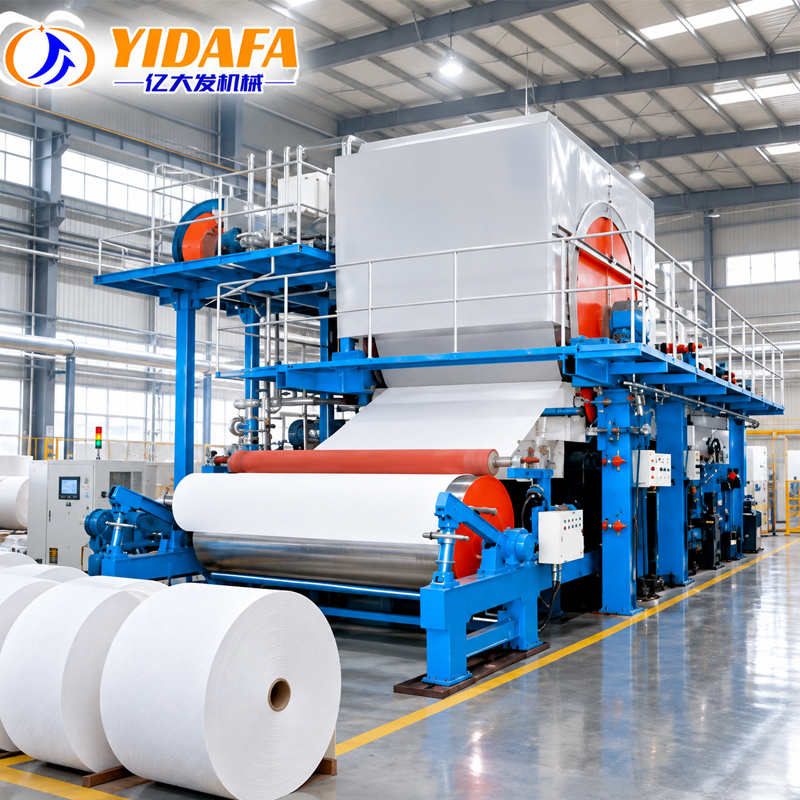
A bamboo pulp processing line for a tissue paper factory is an integrated production solution designed to convert bamboo-based fiber into high-quality tissue paper jumbo rolls. With growing interest in renewable fiber materials, bamboo pulp is becoming an attractive raw material for toilet tissue, facial tissue, napkins, kitchen towels, and other lightweight paper products. Bamboo can be processed as a dedicated furnish or blended with other virgin pulps depending on the required softness, strength, and production cost.
A complete bamboo pulp tissue paper project normally includes pulp preparation, screening and cleaning, refining, approach-flow equipment, tissue paper formation, pressing, drying, creping, rewinding, and finished-roll handling. The exact configuration depends on production capacity, bamboo pulp quality, paper width, basis weight, automation level, and the final tissue products required. Modern tissue production lines commonly combine stock preparation with a tissue machine and converting equipment to create a continuous and controllable manufacturing process.
The production process begins with prepared bamboo pulp. The pulp is mixed with water in the pulping system and then treated through cleaning and screening equipment to remove unwanted particles and ensure stable stock quality.
A typical process can include:
Bamboo Pulp → Hydrapulper → Cleaning → Screening → Refining → Pulp Chest → Approach Flow System → Headbox → Sheet Formation → Pressing → Yankee Drying → Creping → Jumbo Roll Winding
Fiber treatment is particularly important when producing tissue from bamboo pulp. Industrial experience shows that bamboo pulp can require careful stock preparation and refining because its fiber characteristics differ from conventional wood pulp.
After the pulp reaches the required consistency and cleanliness, the prepared stock enters the tissue paper machine. The forming section creates the wet paper web, followed by mechanical dewatering and drying. A Yankee dryer and hood system can be used for efficient drying and tissue development, while the creping process helps achieve the desired softness, bulk, and stretch.
A complete project can be configured according to factory capacity and investment requirements. Typical equipment includes:
Bamboo pulp feeding and conveying system
Hydrapulper or pulp disintegration system
Pulp storage chest
Agitators
High-density cleaner
Pressure screen and fine screening system
Refiner
Reject handling system
Approach-flow system
Pulp pumps and pipelines
Headbox
Tissue paper forming section
Press section
Yankee dryer
Yankee hood
Creping system
Reel and jumbo-roll winding equipment
Electrical control system
DCS/QCS automation system for larger projects
Water recovery and white-water circulation system
Auxiliary steam, vacuum, compressed-air, and wastewater systems
The actual equipment list should be engineered around the selected paper machine rather than simply purchasing individual machines. A complete tissue production line may use pulping, cleaning, screening and refining equipment before the stock reaches the tissue machine. (雷占纸机)
The bamboo pulp tissue paper factory setup cost cannot be represented by one fixed price because different factories have very different production targets and configurations.
Major cost factors include:
Production capacity – A small 5–10 ton/day project requires considerably less equipment than a large industrial tissue mill.
Paper machine width and speed – Wider and faster tissue machines normally require greater investment.
Bamboo pulp source – A factory purchasing finished bamboo pulp has a different investment structure from a project that produces its own bamboo pulp.
Automation level – Automatic stock preparation, QCS/DCS controls, and intelligent drive systems can increase the initial investment while improving process control.
Energy system – Steam, natural gas, electricity, vacuum and compressed-air requirements affect both equipment selection and operating costs.
Factory infrastructure – Building construction, foundations, electrical installation, water treatment, ventilation and material handling should be included in the overall project budget.
Tissue converting equipment – Toilet roll machines, facial tissue machines, napkin machines, packaging systems and paper cutting equipment are additional investments beyond the tissue paper machine itself.
For example, a smaller bamboo pulp tissue line can be designed around a compact production target, while high-capacity crescent-former machines can reach much higher production levels. Published equipment specifications show that tissue machines using bamboo pulp can be designed across a wide range of widths, speeds and capacities, demonstrating why a project quotation needs to be based on specific technical requirements rather than a generic price. (Baotuo Machine)
Bamboo is a fast-growing renewable raw material that has attracted increasing attention in the pulp and paper industry. Bamboo-based tissue can be positioned as an alternative-fiber product for manufacturers targeting sustainability-oriented markets.
A well-designed bamboo pulp tissue production line can provide:
Renewable fiber raw material options
Flexible tissue product applications
Stable continuous production
Automated process control
Adjustable tissue basis weight
Potential integration with water recycling systems
Opportunities for branded eco-friendly tissue products
Flexible production configurations according to factory scale
A practical factory design should focus not only on machine purchase price but also on fiber quality, energy consumption, water management, maintenance requirements, production yield, finished-product quality, and long-term operating cost.
YID AFA can provide customized bamboo pulp system tissue paper making machine solutions for different factory capacities and product requirements. A complete project can integrate pulp preparation equipment with the tissue paper machine to produce tissue jumbo rolls for subsequent converting.
Depending on the customer's requirements, the production line can be designed for products such as toilet tissue, facial tissue, napkin paper, kitchen towel, and other tissue grades. Some existing bamboo pulp tissue machine configurations are designed around approximately 13–30 g/m² tissue grades and can be customized according to the required production capacity and paper width. (易达发)
For investors planning a new bamboo tissue paper factory, the recommended approach is to determine the target daily output, tissue grade, raw-material source, finished-product market, factory space, energy conditions, and automation requirements first. Engineers can then develop the appropriate equipment configuration and provide a project-specific quotation.
A typical line includes a pulp preparation system, hydrapulper, cleaners, screens, refiners, pulp chests, pumps, approach-flow equipment, headbox, forming section, press section, Yankee dryer, hood, creping system and jumbo-roll winding equipment. Additional converting and packaging machines are required if the factory will manufacture finished toilet rolls, facial tissues or napkins.
There is no universal setup cost. The investment depends on production capacity, machine width, speed, automation, auxiliary systems, factory infrastructure and whether the project includes pulp production and tissue converting. A detailed quotation should therefore be prepared after confirming the customer's technical requirements.
Yes. Bamboo pulp can be used as a tissue furnish, although the stock-preparation and refining process should be properly adjusted to the characteristics of the pulp. Industrial tissue mills have demonstrated the use of bamboo pulp in tissue production. (ANDRITZ)
Depending on the machine configuration and converting equipment, bamboo-based tissue can be used for toilet tissue, facial tissue, napkins, kitchen towels and related disposable paper products.
Yes. Depending on the system design, tissue machines may be configured for bamboo pulp, wood pulp, recycled fiber, bagasse pulp or blended furnish. The appropriate equipment configuration should be determined according to the desired paper properties and raw-material availability.
Yes. Water recovery and white-water circulation systems can be incorporated into the overall plant design to improve water utilization and reduce freshwater demand. The exact system depends on local environmental requirements and process conditions.
Start with the required tons per day, tissue paper width, target GSM, operating schedule and final products. Then calculate the major equipment, auxiliary systems, building, installation, utilities, labor, raw materials and converting equipment. This provides a more realistic estimate of the total factory investment than looking only at the paper machine price.
A Bamboo Pulp Processing Line for Tissue Paper Factory offers a flexible solution for manufacturers looking to develop tissue products from renewable fiber. From bamboo pulp preparation and refining to tissue formation, Yankee drying and jumbo-roll winding, each section plays an important role in final product quality and production efficiency. Selecting the correct equipment configuration is essential for controlling factory setup cost, energy consumption, production stability and long-term profitability.
For a customized bamboo pulp tissue paper production line, manufacturers should provide their target capacity, tissue products, paper width, GSM range and available raw materials. Based on these parameters, a suitable bamboo pulp processing system, tissue paper machine and complete equipment list can be developed for the planned factory.
If you have any needs , please fill out the form below and we will contact you as soon as possible.


